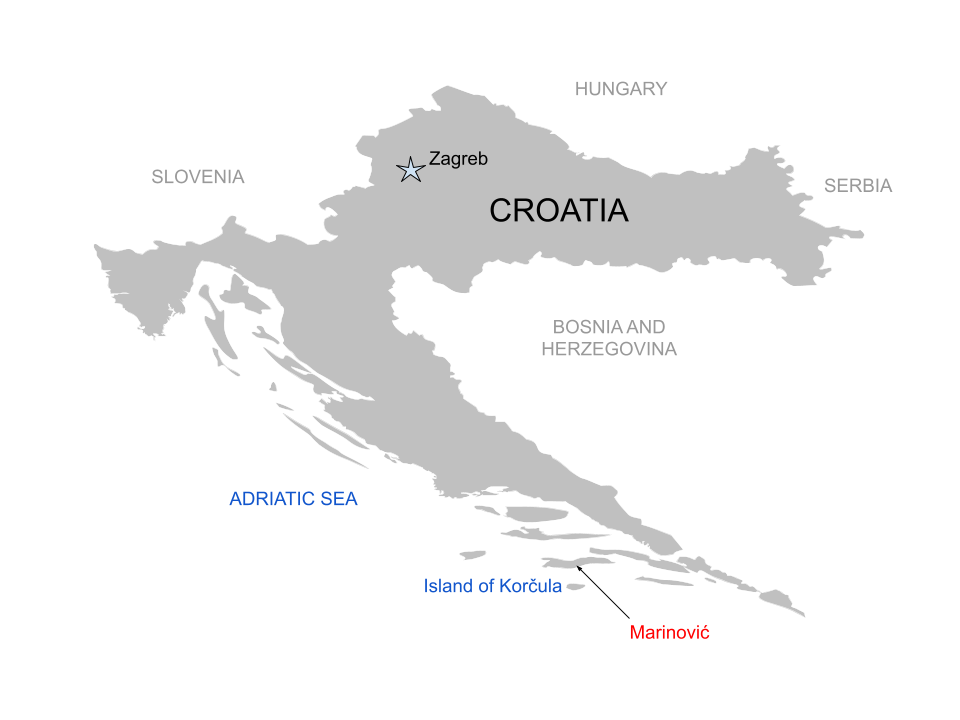
Marinović, Korčula, Croatia
At a Glance
https://www.instagram.com/ticinica.mm/
Korčula
Mediterranean
Red iron rich soil
150-250m
Pine forests, olive groves, and vineyards
Pošip, Maraština/Rukatac, Vranac, Plavac Mali
1 hectares
Organic
Organic
Korčula
Mediterranean
Red iron rich soil
150-250m
Pine forests, olive groves, and vineyards
Pošip, Maraština/Rukatac, Vranac, Plavac Mali
1 hectares
Organic
Organic
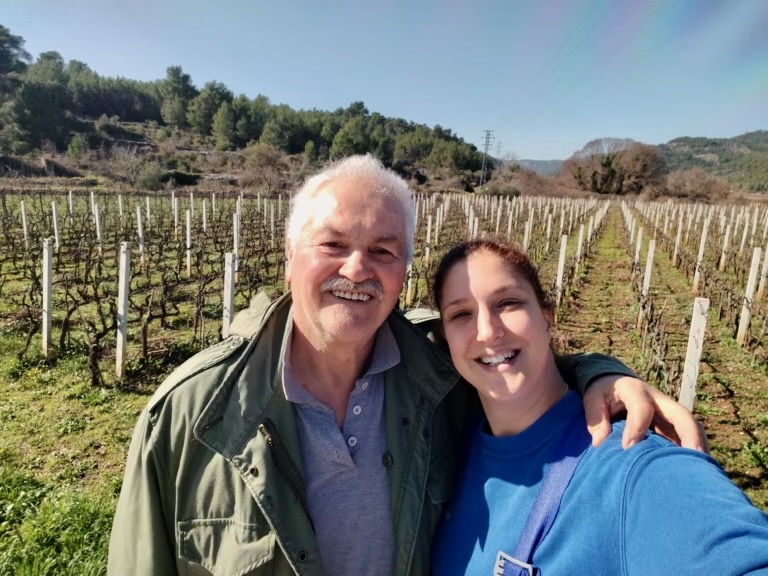
Petar and Maria Marinović
The People
It’s always nice when on the first page of notes after visiting a family is finding words like "Ukusno!" circled a bunch of times with arrows pointing to it saying “means delicious and flavorful!”
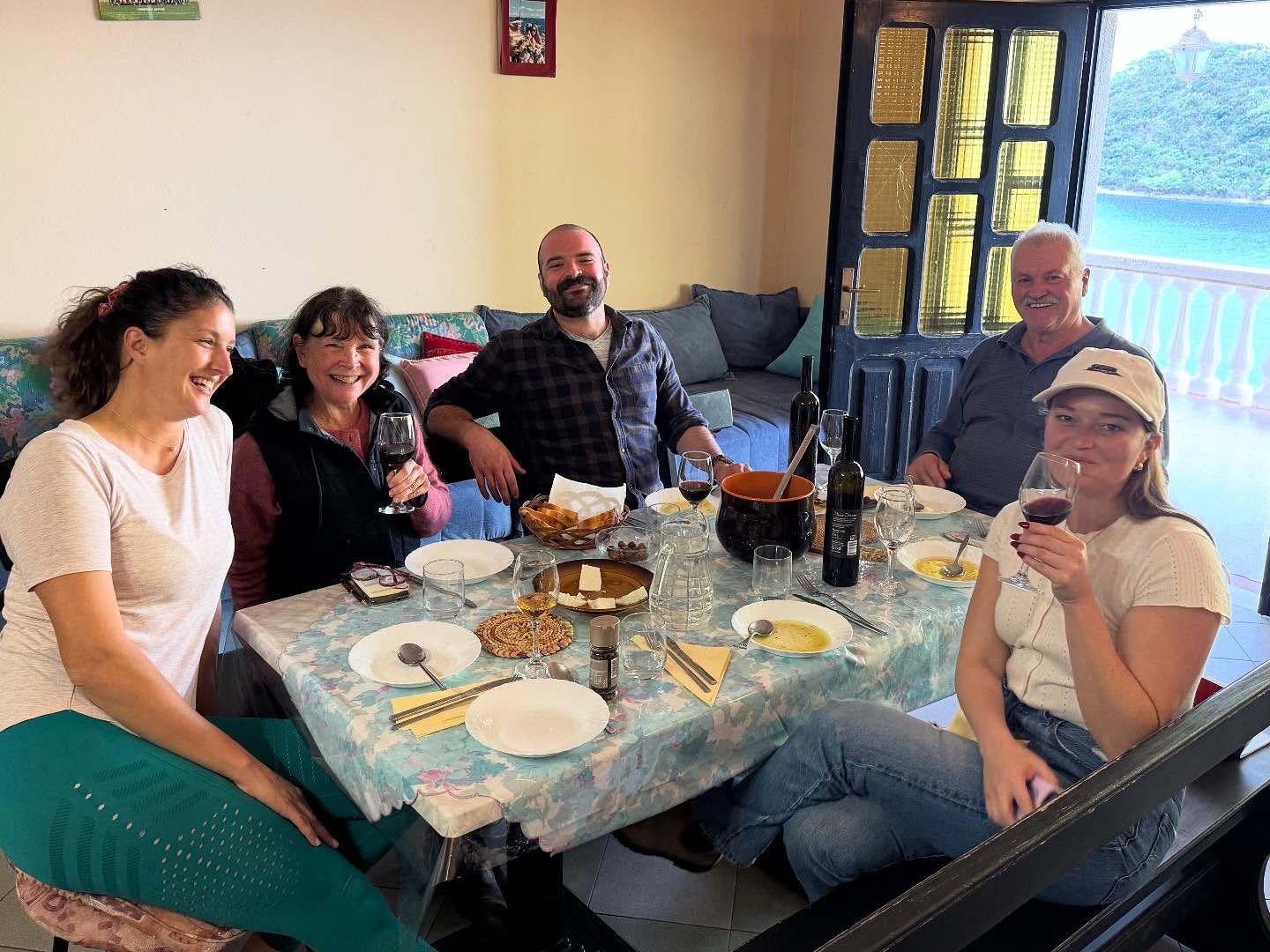
At the family table with Petar and Maria Marinović in Blato, Korčula
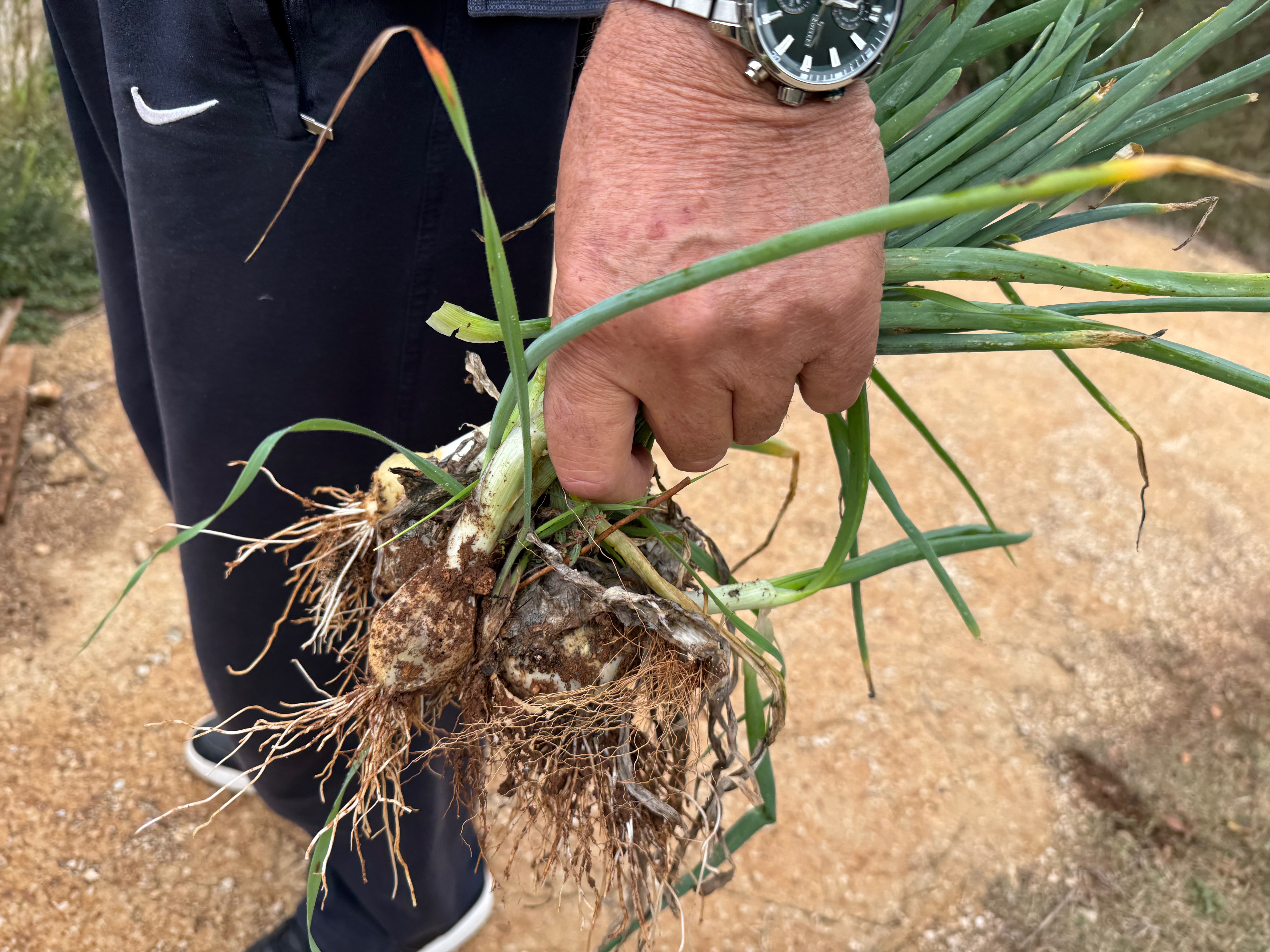
Petar pulling onions from the vineyards for lunch
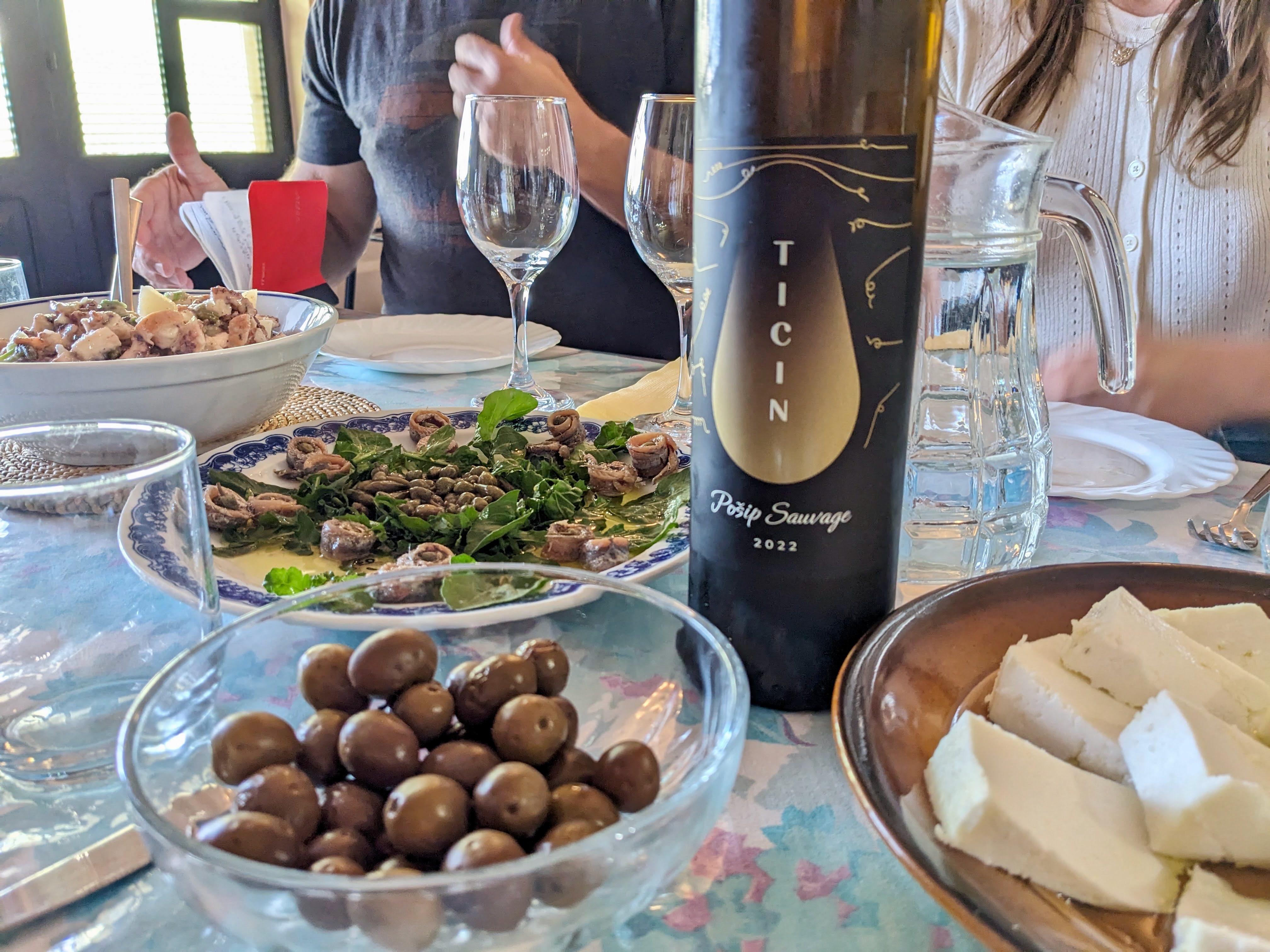
Ticin Pošip Sauvage with local cheese, anchovies and octopus salads
Whether it’s their their olive oil, homemade anise-infused rakija, the most simple yet never to be recreated back home fish soup, pickled capers, fresh goat milk, octopus peka, and of course, wines, the Marinović family has earned their nickname of “Ticin." Tićin (or tičić) in Croatian means “little bird” or “birdie.”
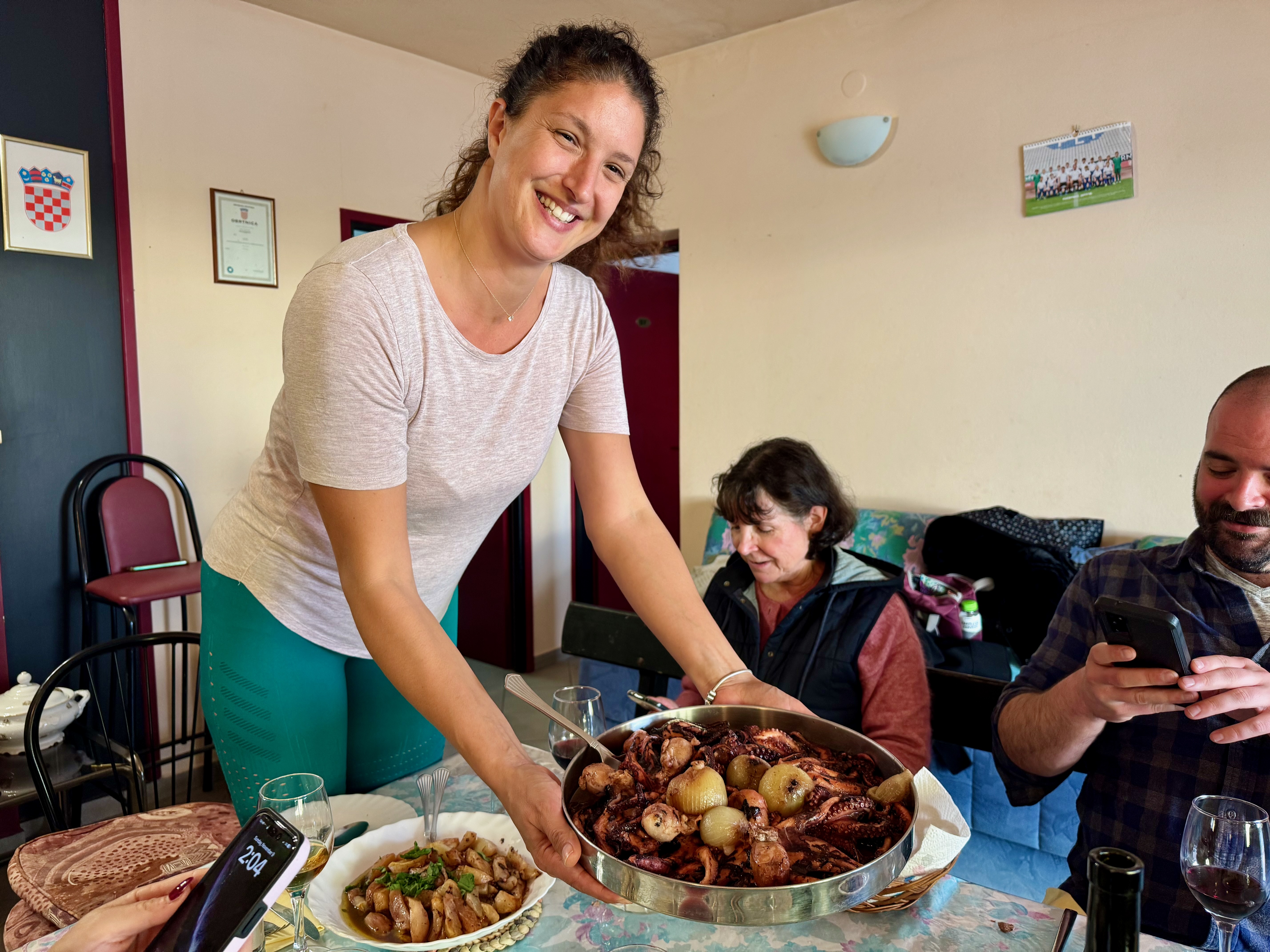
Maria and Octopus Peka
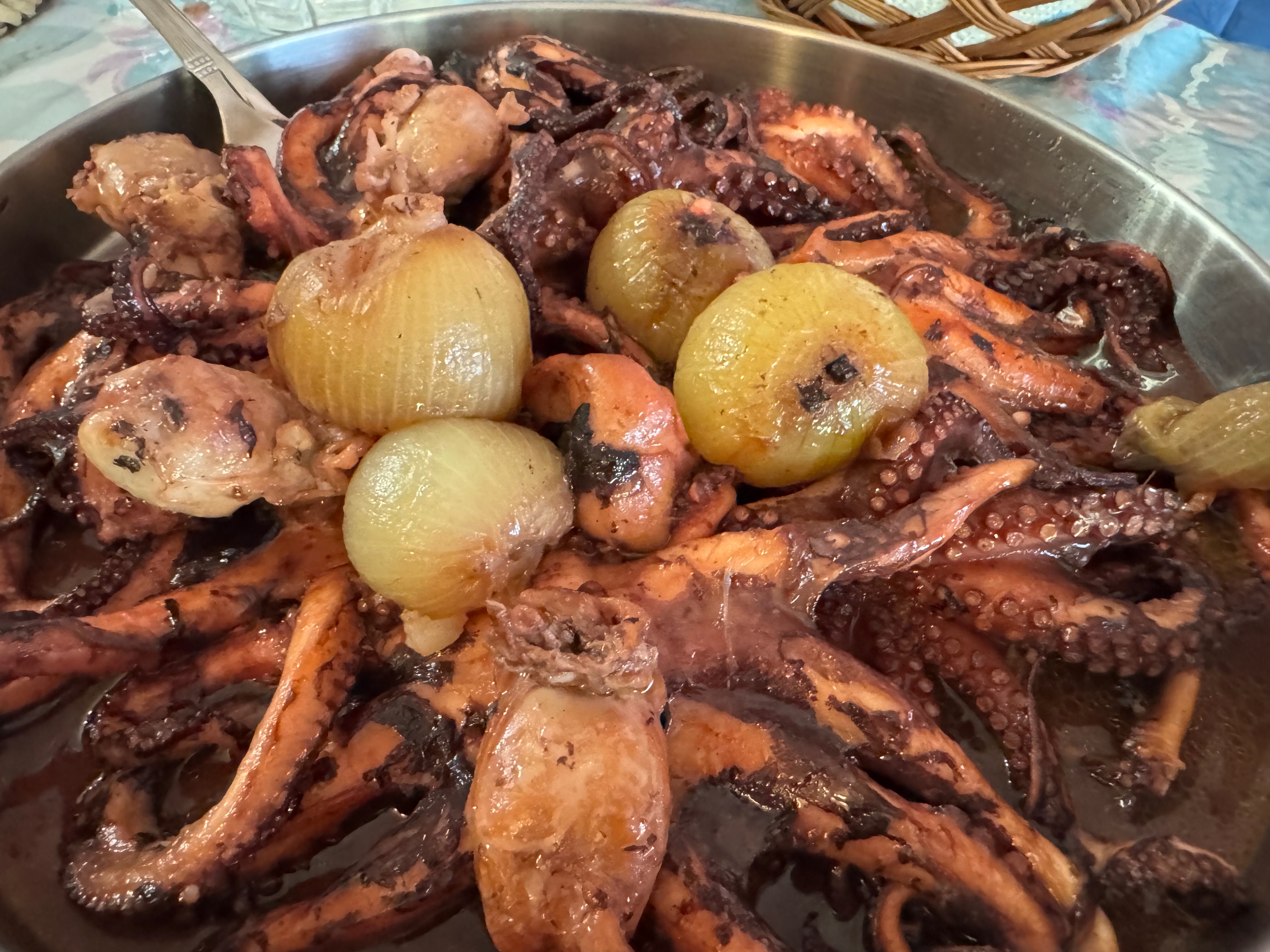
Octopus Peka
Much like a little birdie told me, there’s a playfulness and secrecy about how they do things. Like they know something about the Island of Korčula that we don’t but are happy to quietly share it with us. And they’ve had some time to learn some secrets. According to Petar, the family has a 600 year old history on the western side of the island.
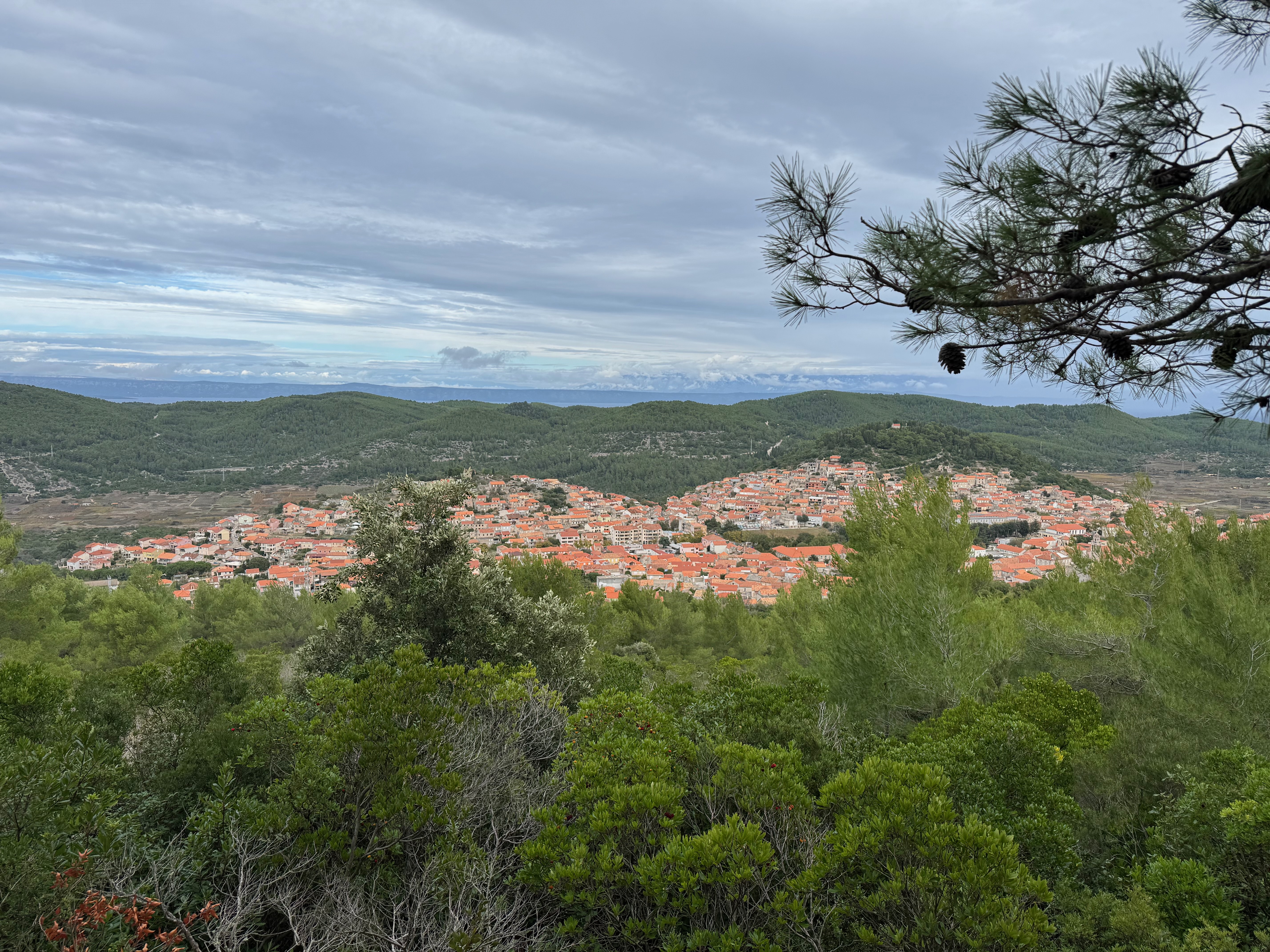
Looking down torwards the Village of Blato
Their hometown village of Blato has an interesting history as well. Blato, which literally translates to “mud,” was once a massive field that would regularly flood.
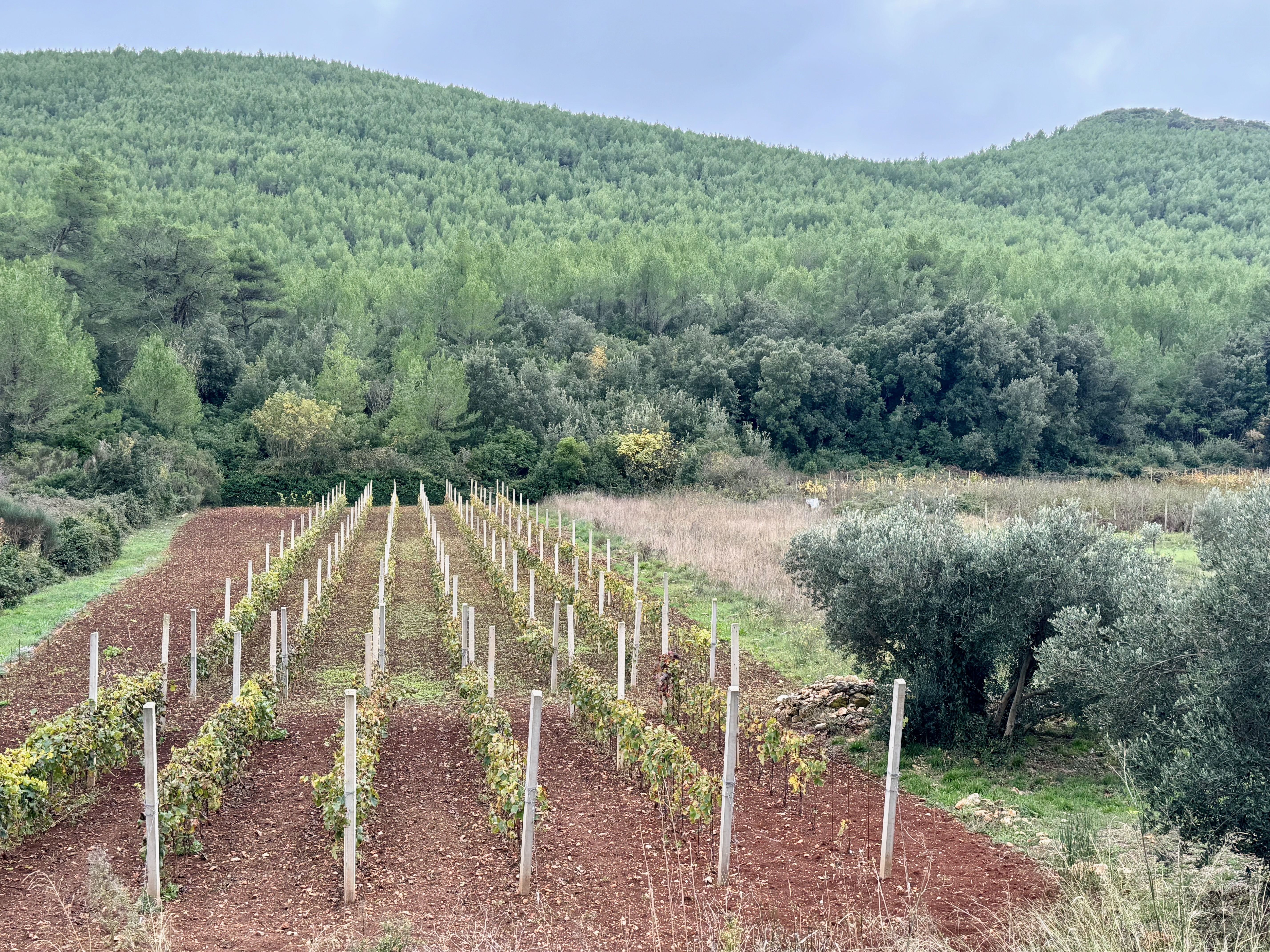
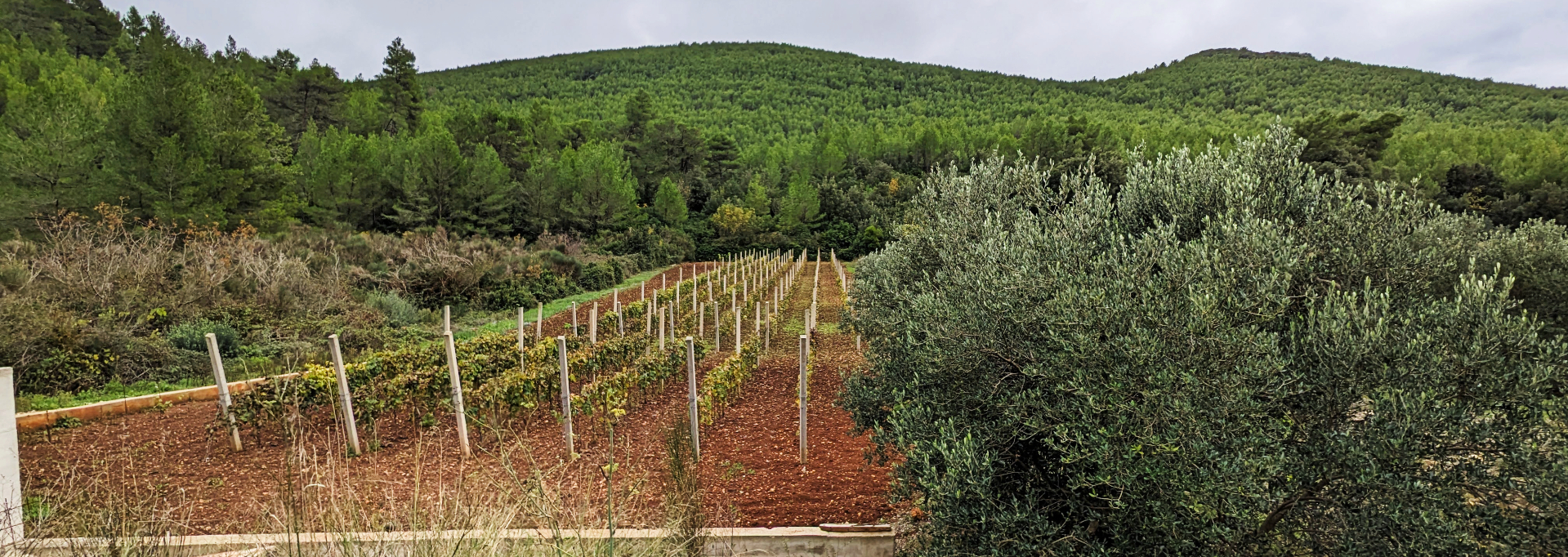
The red and rocky soils tucked into the forests of Korčula
These muddy and incredibly fertile soils were ideal for figs, olives and grapes and became the foundation of the local economy for centuries. Once they learned to drain and manage the water with canals and dams, agriculture really took off eventually making it the 6th largest city in Dalmatia. Sadly, after WWI there was a massive exodus to Australia and Brazil followed by WWII and the rise and fall of Yugoslavia.
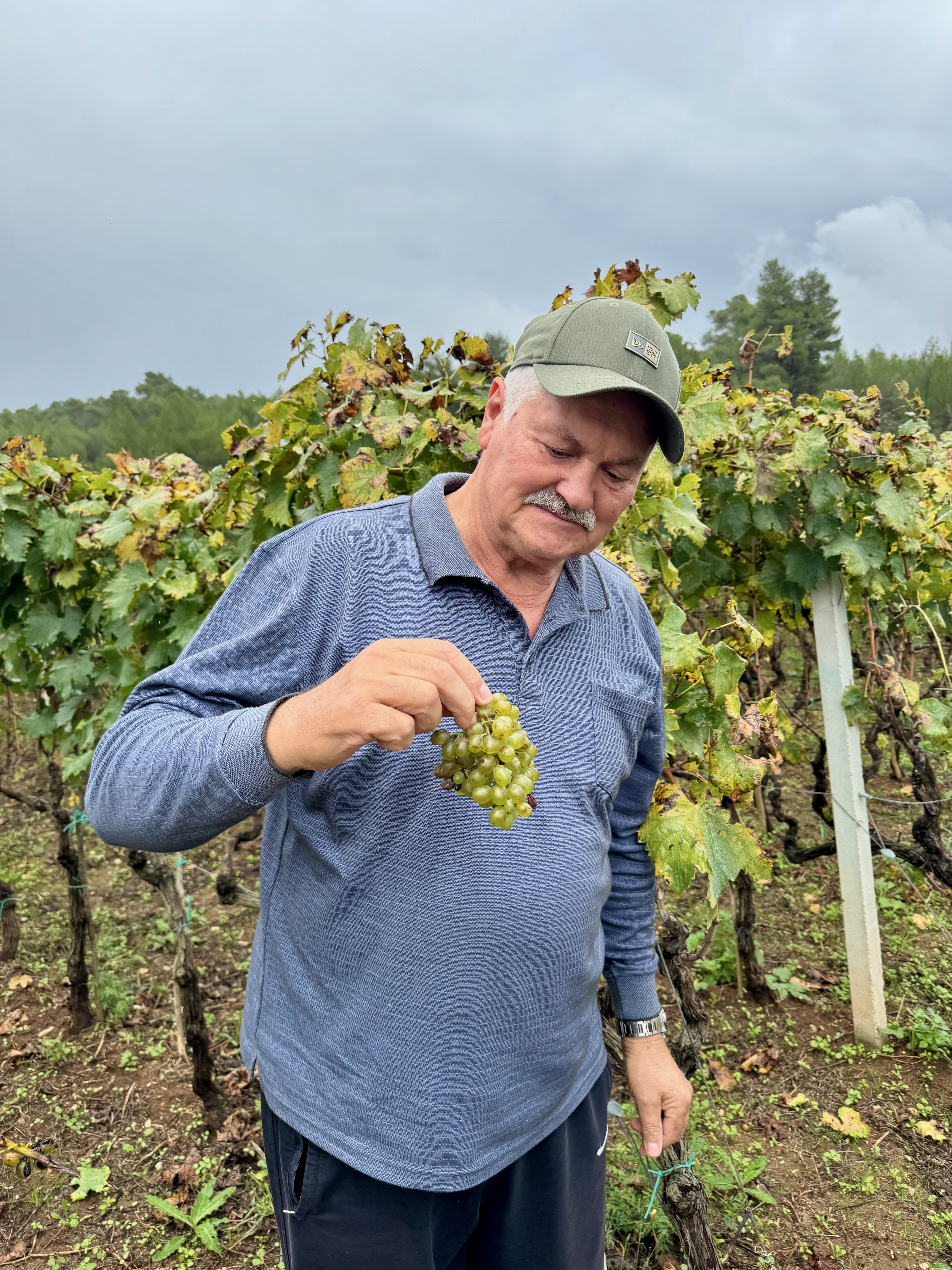
Pošip class with Petar
Despite this, the fertile mud of Blato persisted. And for the past two decades, farmers like Petar and his daughter Maria have been dutifully growing a variety of crops, raising livestock, and of course growing Pošip, Maraština/Rukatac, Vranac, and Plavac Mali.
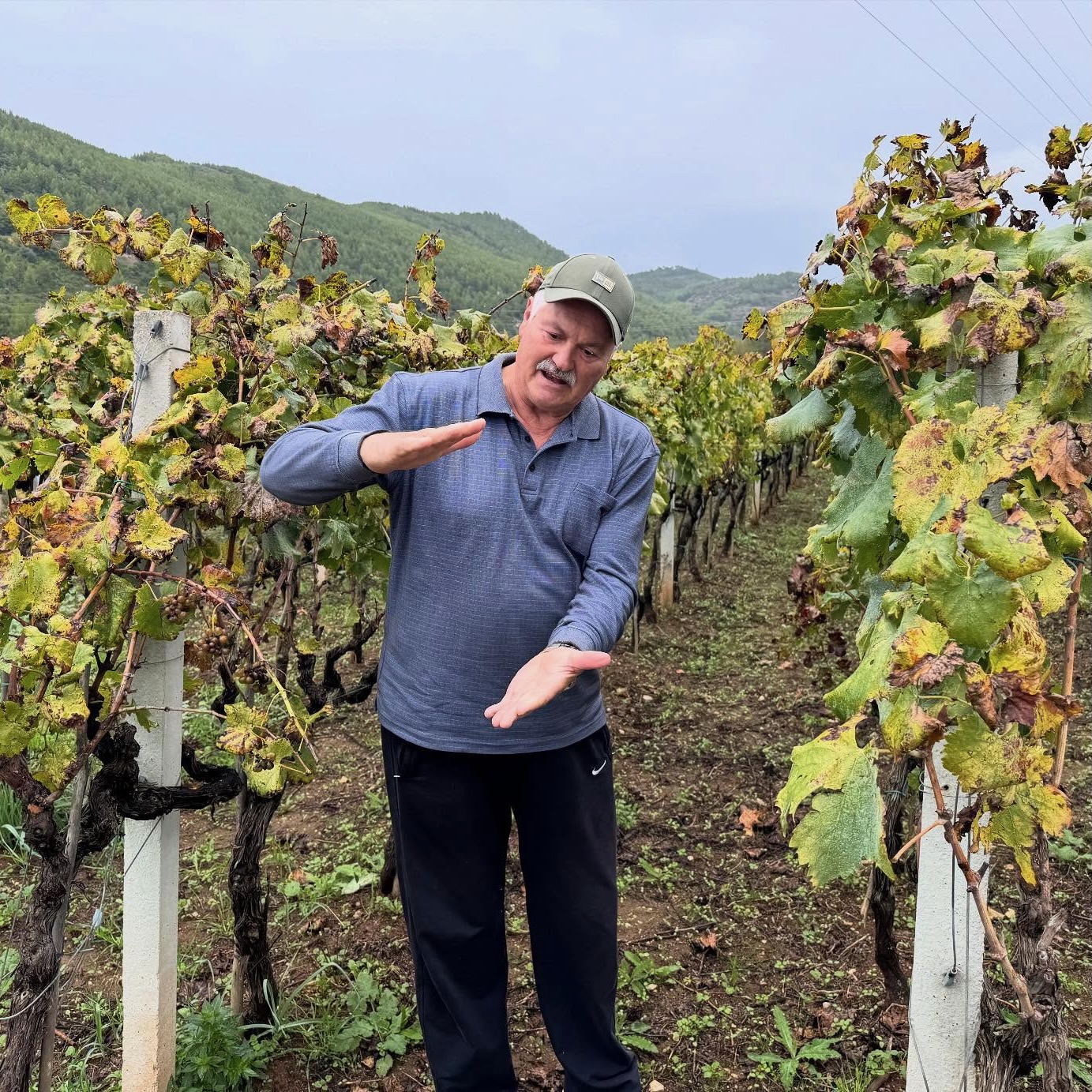
Petar in the vineyard
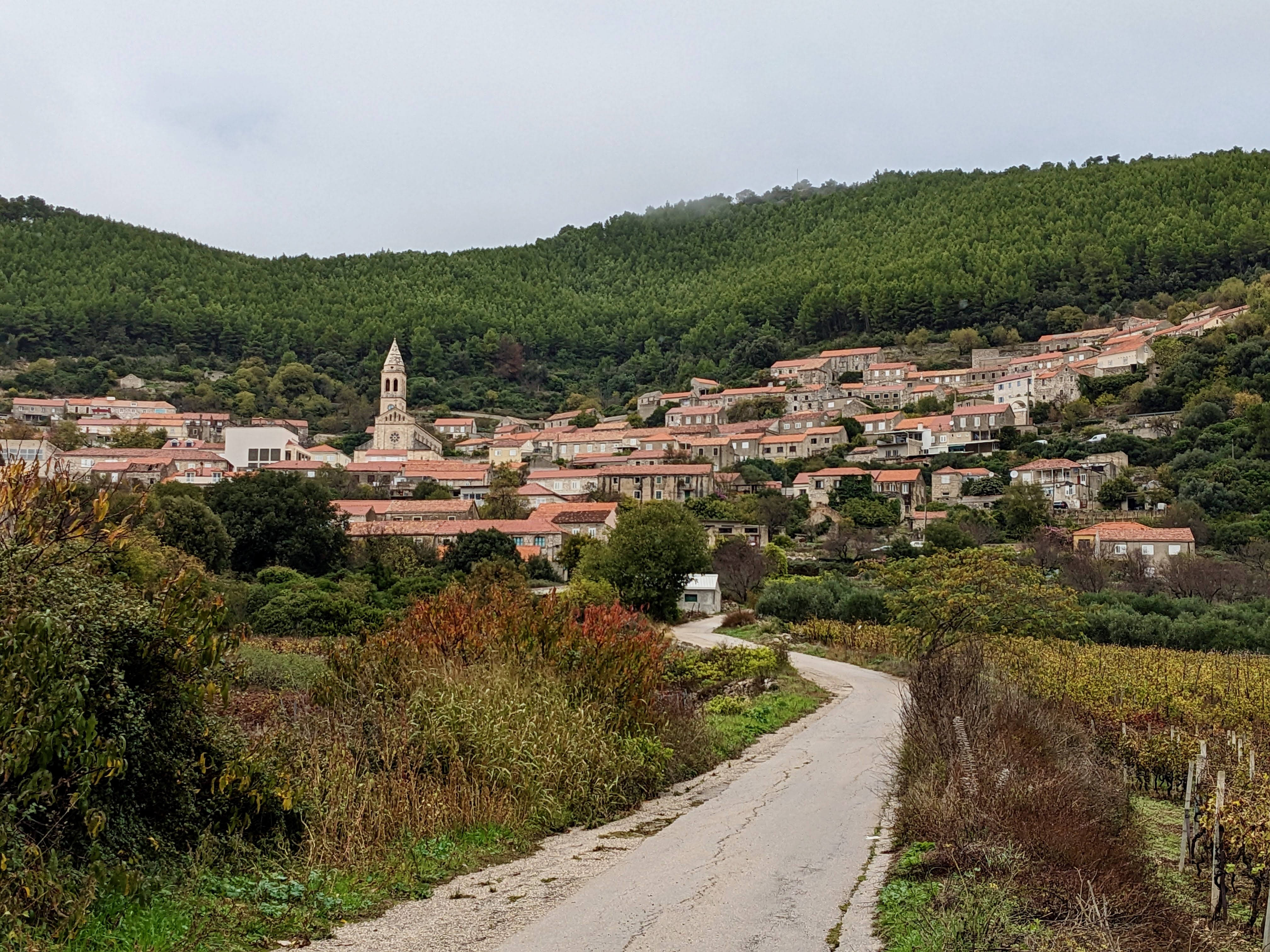
Smokvica from Petar's vineyard
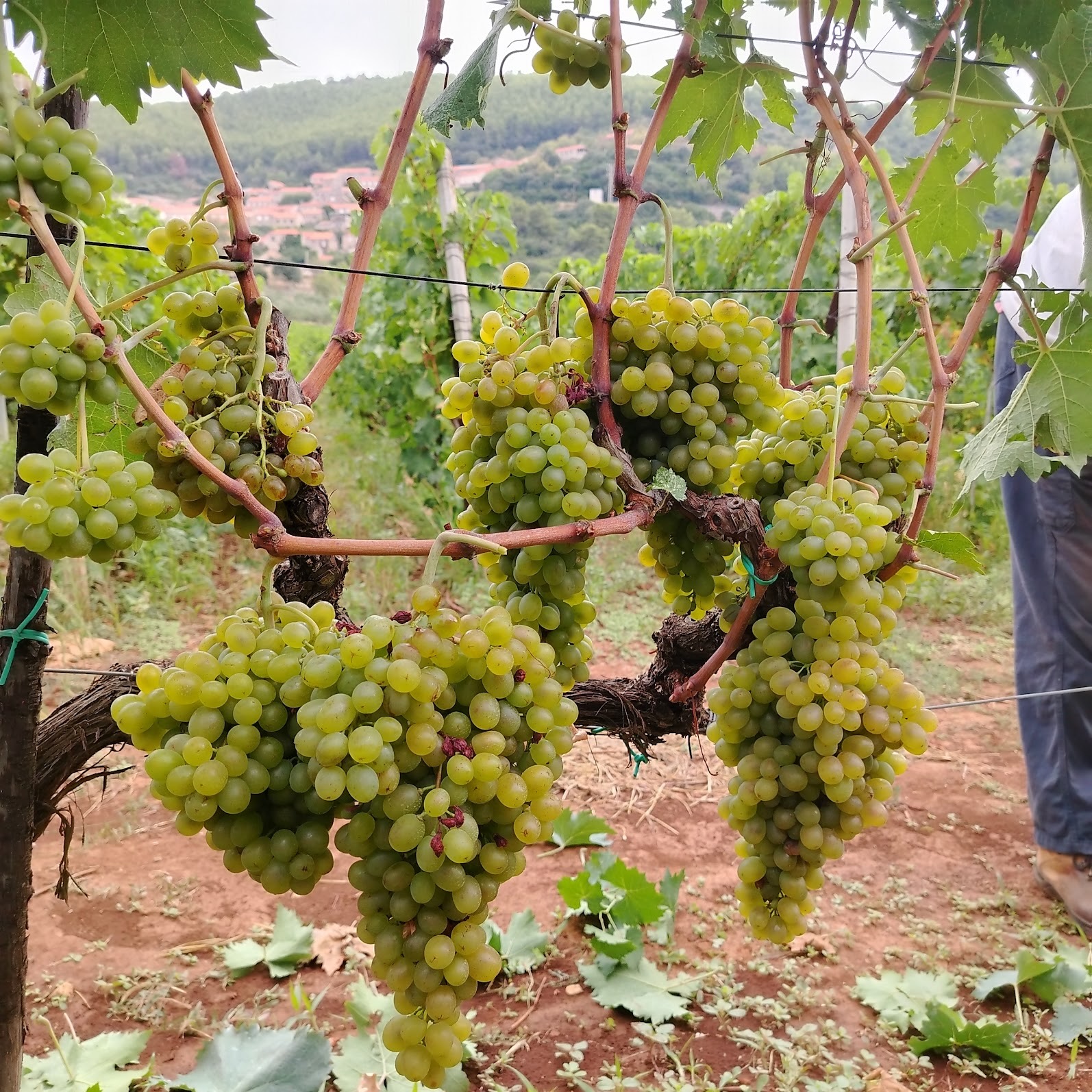
Ticin Pošip
Vineyards
With just over one hectare located below the village of Smokvica, the vines are treated with sulfur, copper when necessary, milk and algae. The vineyards are bustling with life, cover crops, and have over two decades of built up immunity and as many inputs as the island allows.
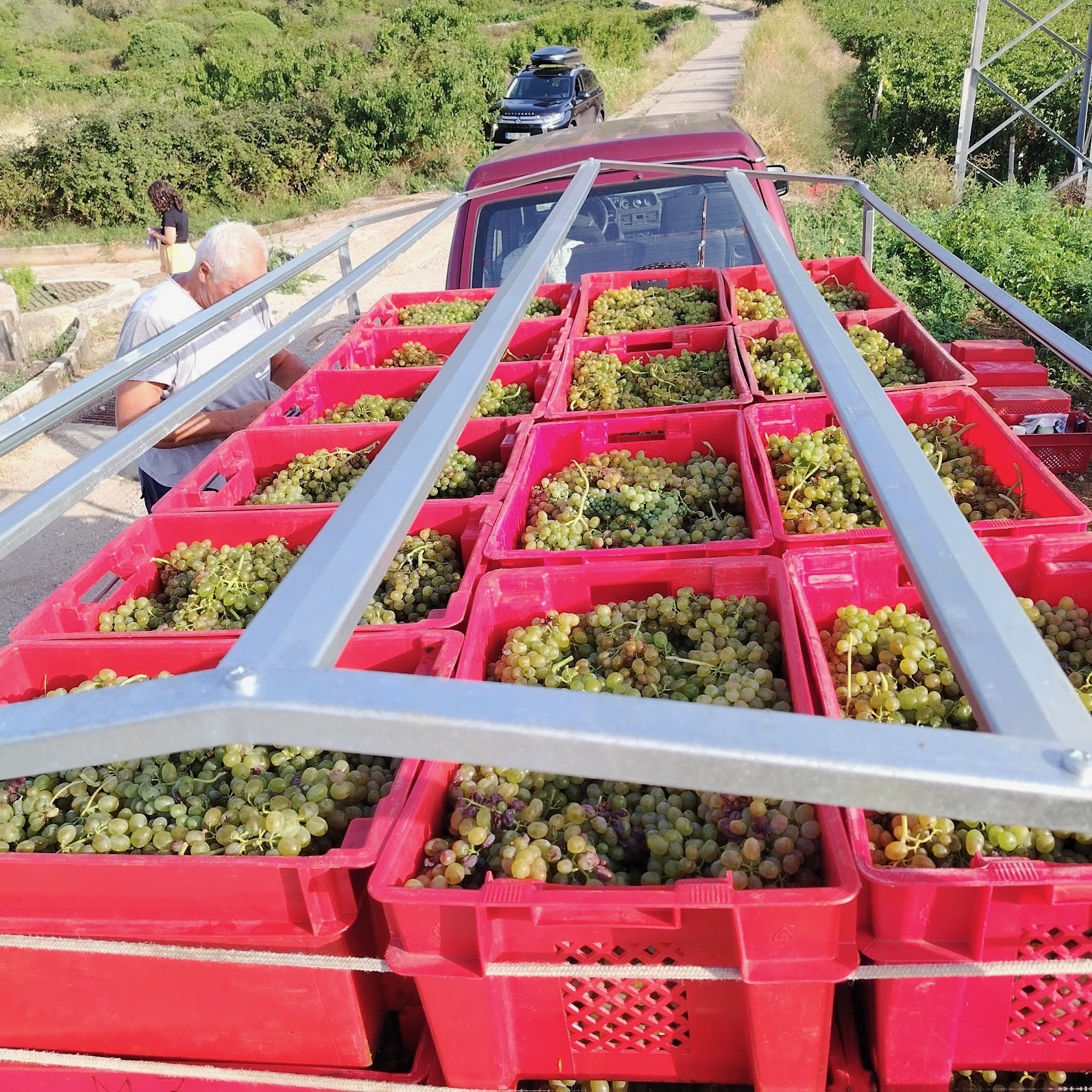
Harvest at Ticin
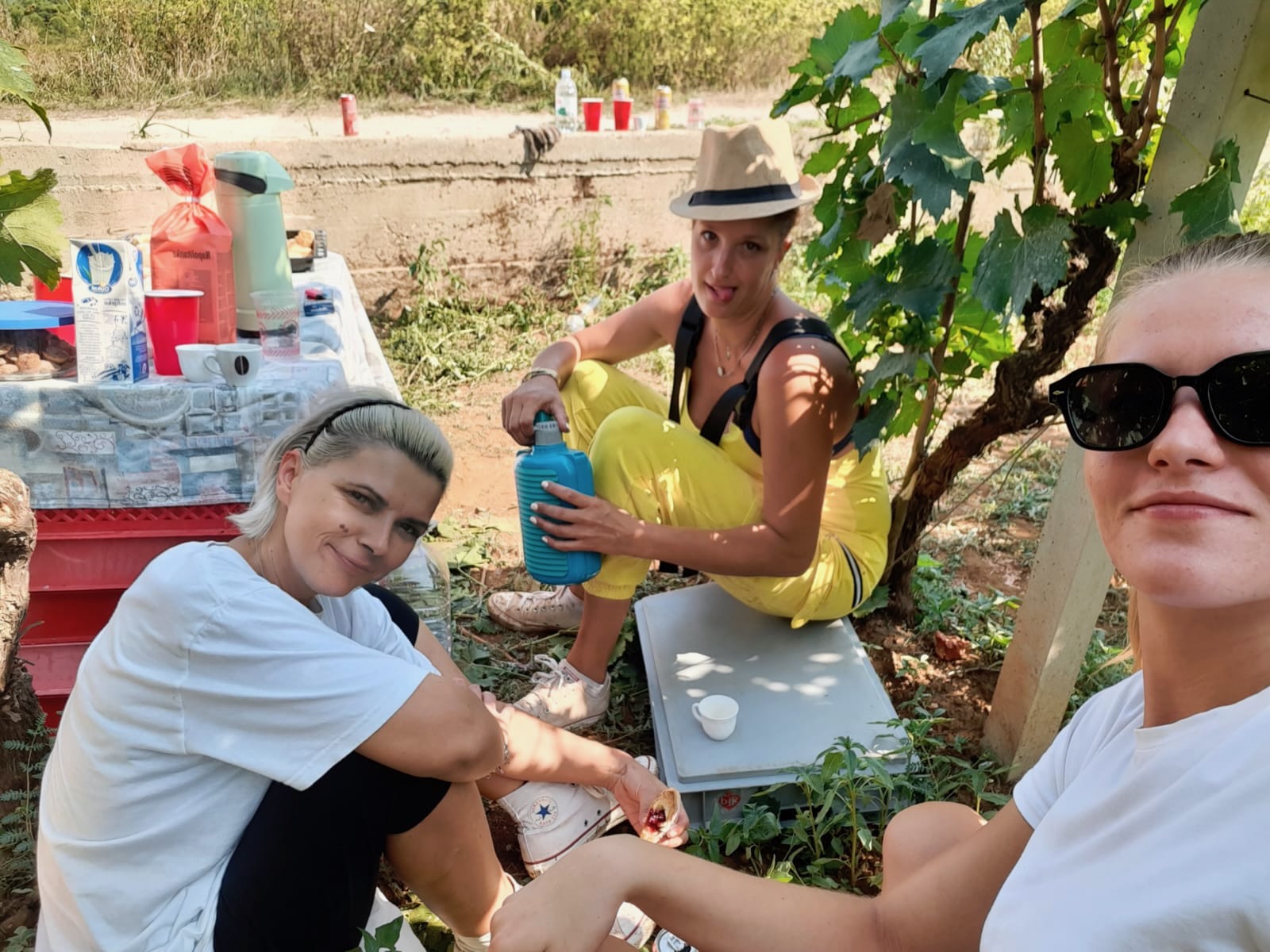
Snacks during harvest at Ticin
Most of their neighbors still think they are a little backyard and or ill advised to farm in this way. Even when other growers inquire about switching to organic farming there’s a choir of experts saying that it’s basically impossible on Korčula - too much disease pressure and the native grapes won’t survive. Petar is one of these amazing hold outs that we are grateful to have found with Marko’s help. New smaller plots have been planted in recent years as well.
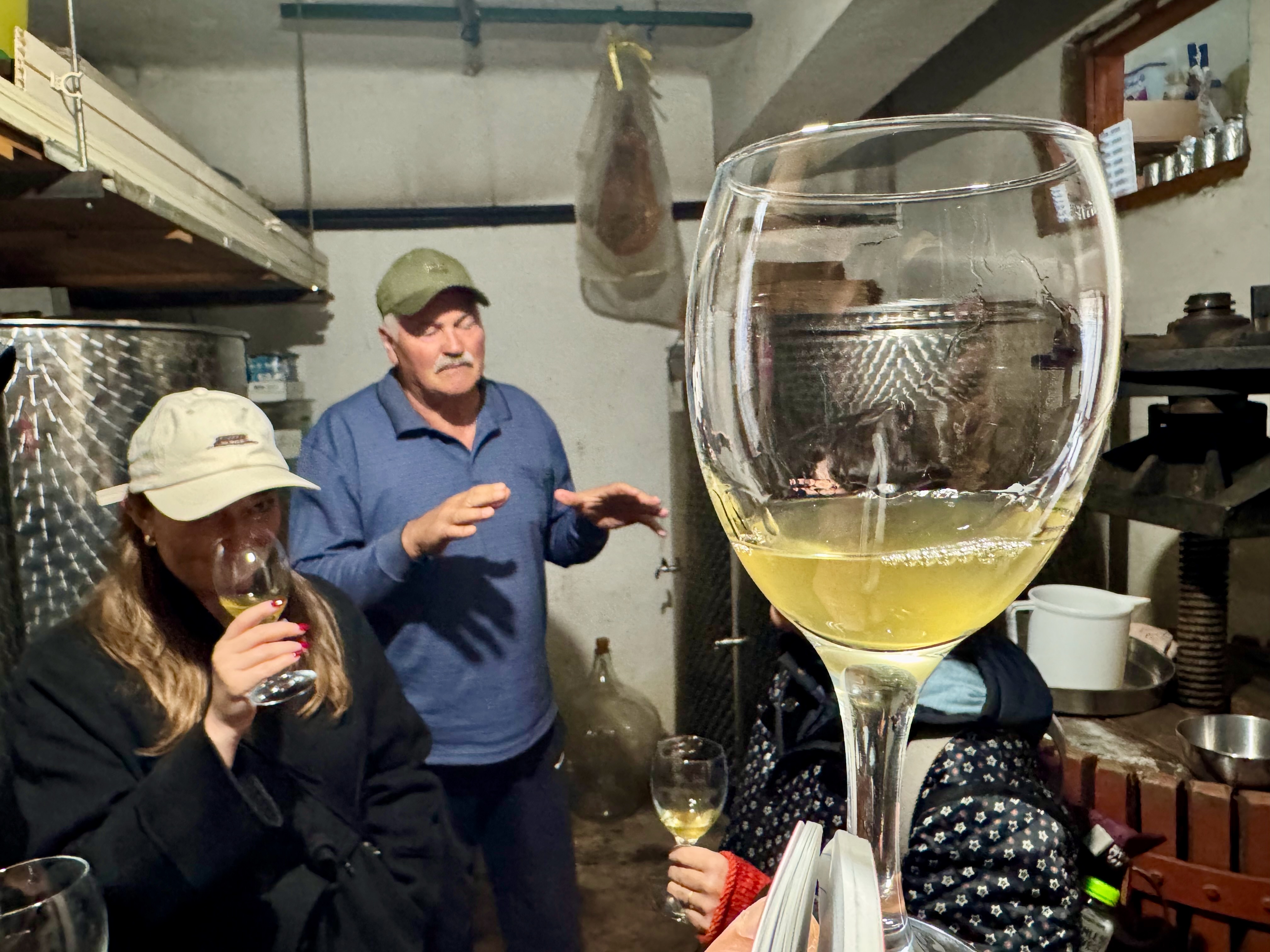
Tasting Pošip with Petar in the cellar
Winemaking
Pošip and Plavac Mali in particular aren’t particularly shy grapes. Thick skinned Plavac with small berries ensures plenty of tannic structure, and Pošip can produce massive clusters with immense amounts of sugar. We’ve had 16% Pošip with RS, so it’s less about coaxing out flavor, and more about harvest time and handling the fruit with care.
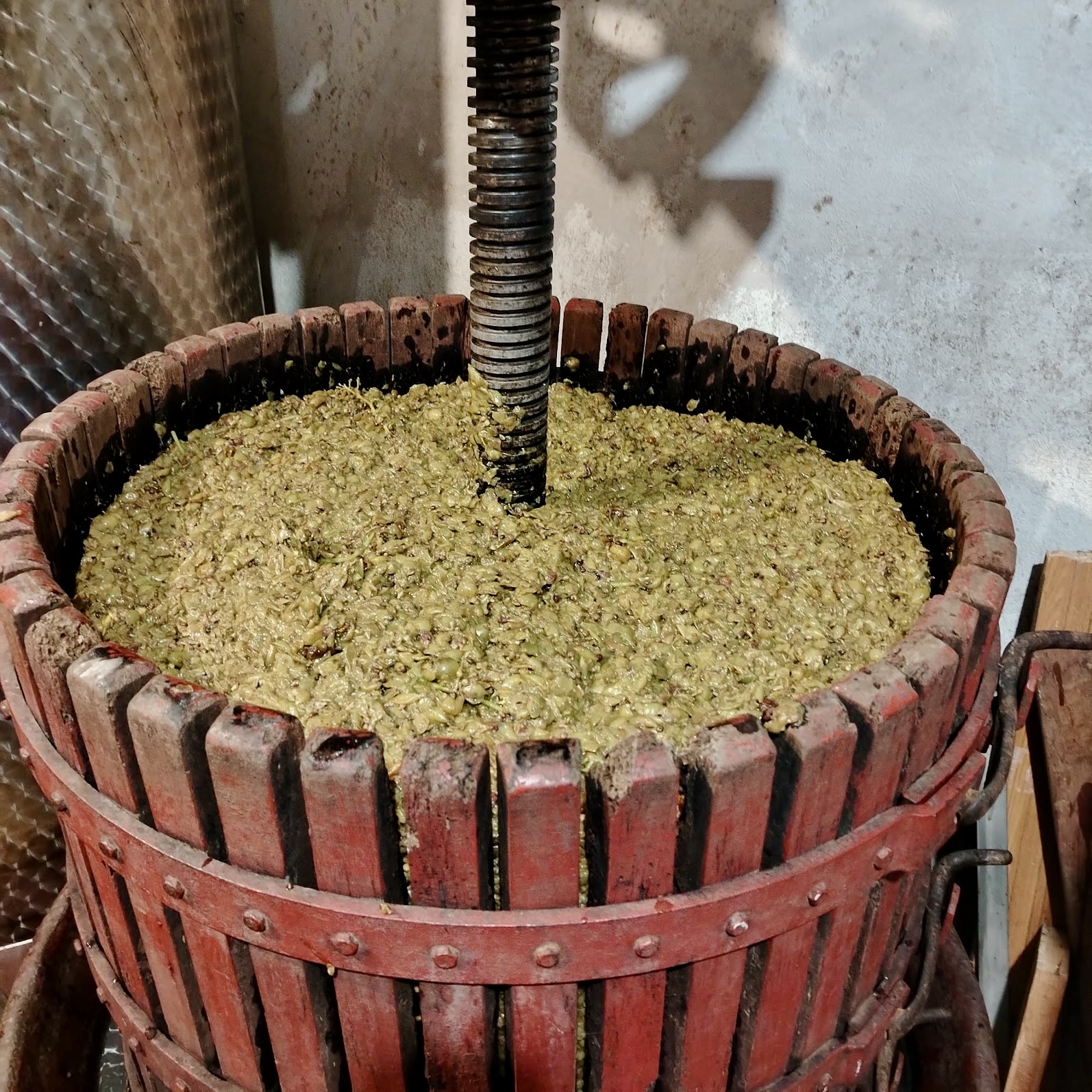
Pošip in the press
For both grapes, 2-3 days of maceration is usually more than enough followed by basket pressing in both barrels and stainless steel. All fermentations are spontaneous, no temperature control, and no additions of any kind except a small amount of sulfur at bottling. All wines are bottled unfined and unfiltered by hand.
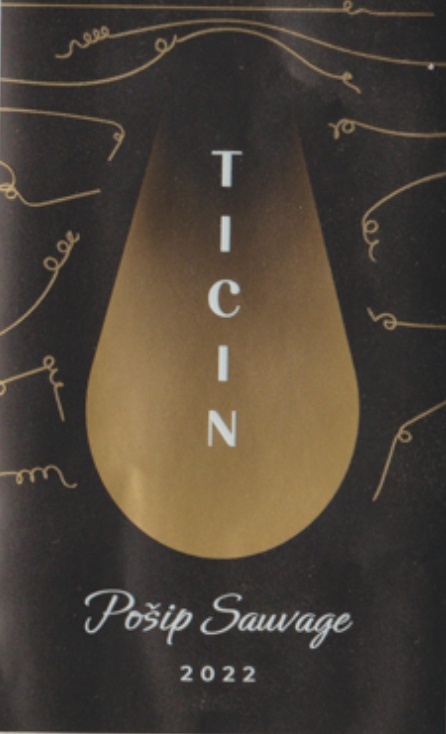
White Wine , Organic
Pošip;
12.3%
3.2 g/l
5.8 g/l
Pošip;
12.3%
3.2 g/l
5.8 g/l
Co-fermented with about 10% of Maraština for balance, and despite the richness and color, was foot trodden and only macerated for 3 days on the skins. Everything was basket pressed by hand into stainless steel and some barrels and aged for 1 year on the lees. Bottled unfined and unfiltered by hand. The 2022 has a lovely "Žutina" (aka amber/yellowness) and with a little added bottle aging, it is in an absolutely beautiful place. While less than 13% alcohol, there is a persistence to Pošip that isn’t followed by too much weight, density or heat. It’s truly a big white built for the olive oil, octopus, asparagus, anchovies and wild greens from the Island.
