Apátsági, Somló, Hungary
Terroir has a dominant influence in the wines grown on the slopes of Somló. One can describe it as mineral and salty with the presence of flint stone and basalt.
At a Glance
2001
http://www.juhfark.hu/
Somló
Cool Continental
Chalk and basalt crumb
220-260m
Slopes of a volcanic butte
Juhfark, Hárslevelű, Furmint, Olaszrizling, Traminer
3 hectares
Certified Organic
Natural
http://www.juhfark.hu/
Somló
Cool Continental
Chalk and basalt crumb
220-260m
Slopes of a volcanic butte
Juhfark, Hárslevelű, Furmint, Olaszrizling, Traminer
3 hectares
Certified Organic
Natural
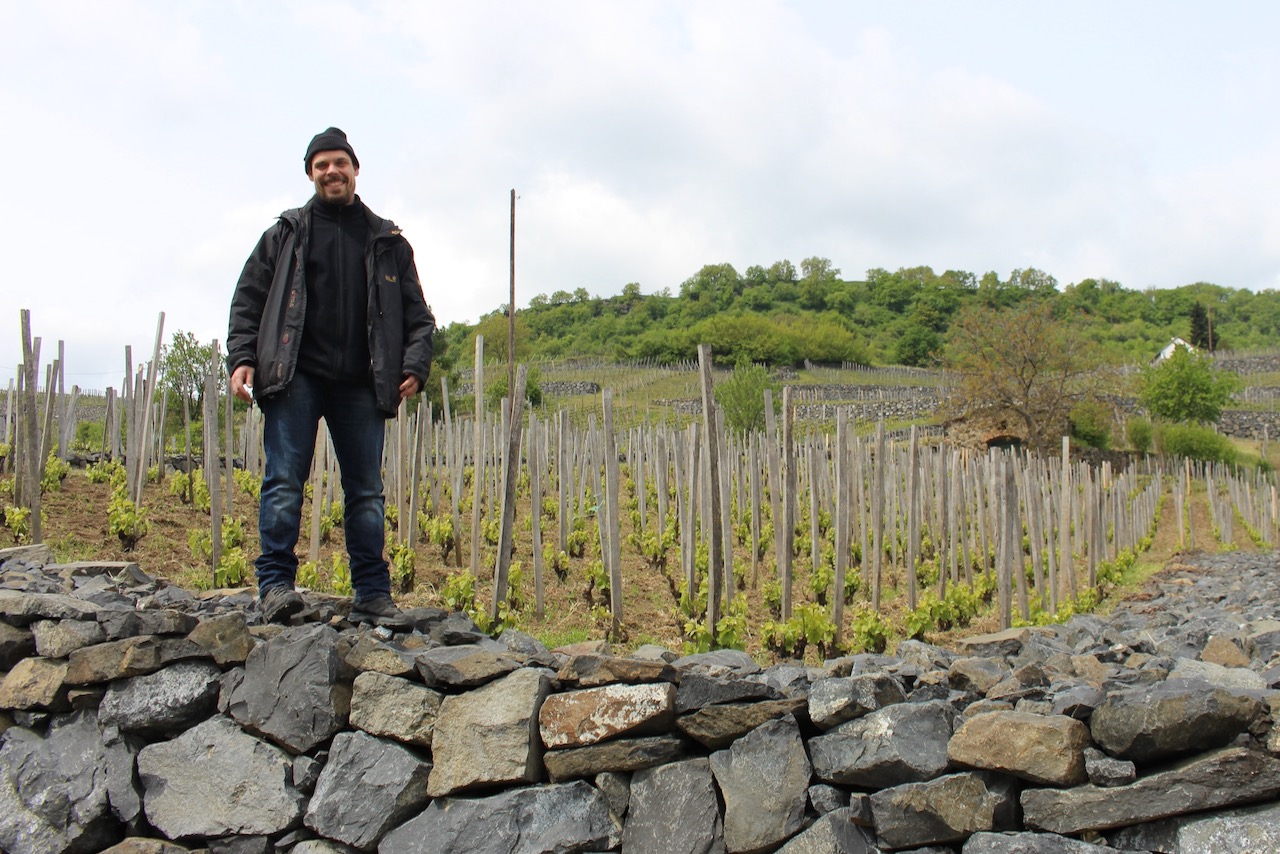
Zoltán Balogh of Apátsági
The appellation
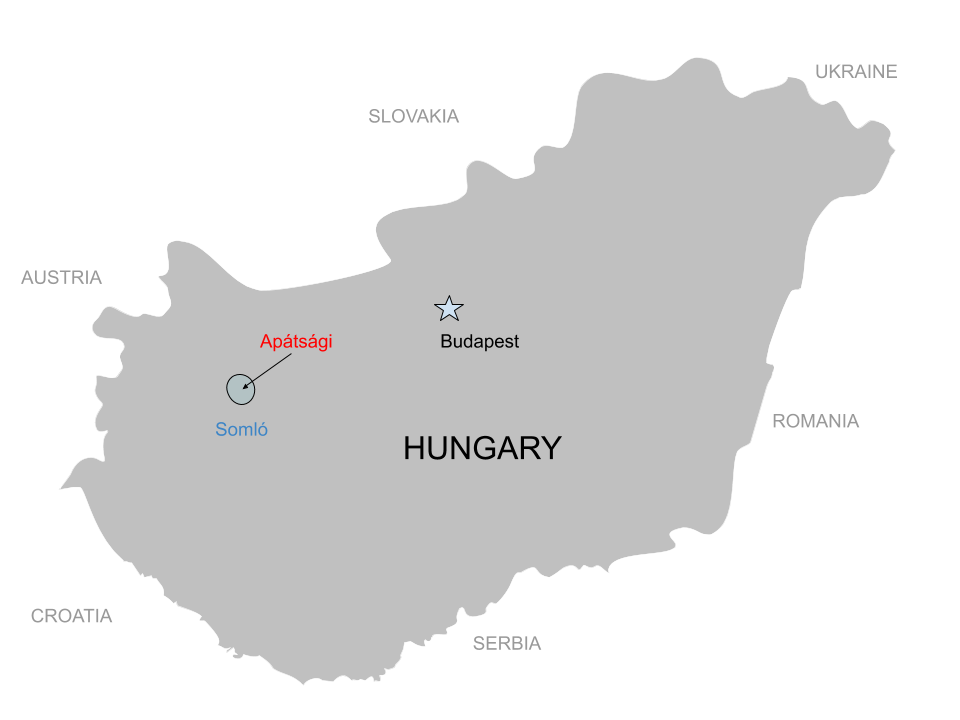
Somló is Hungary’s smallest appellation and is the result of the erosion of ancient lava flows. A lone volcanic butte. Now dormant, its slopes of ancient sea sediment, hardened lava, and basalt are home to some of Hungary’s steepest, most densely planted vineyards. Driving up to Somló from Lake Balaton, it’s like seeing an island rise up from the ocean’s horizon.
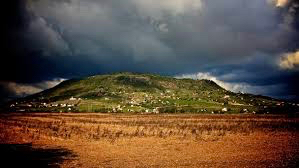
Somló Hill
The oldest writings mentioning the wine of Somló date back to 1093 and viticulture all the way back to the Romans. Hungarian Kings bought vineyards here, Maria Theresa and Queen Victoria both praised the wines, and insurgent Hungarian troops fighting against the Habsburgs would solute the vineyards as they marched past at the end of the 17th century. In 1752, local laws stated that if you were found adding water to wine, expect 25 lashings as the minimum punishment. If you were found to be labeling wine as Somló but using other fruit sources, you would be banned from making wine permanently and might even have your property confiscated.
Somló Hill
The oldest writings mentioning the wine of Somló date back to 1093 and viticulture all the way back to the Romans. Hungarian Kings bought vineyards here, Maria Theresa and Queen Victoria both praised the wines, and insurgent Hungarian troops fighting against the Habsburgs would solute the vineyards as they marched past at the end of the 17th century. In 1752, local laws stated that if you were found adding water to wine, expect 25 lashings as the minimum punishment. If you were found to be labeling wine as Somló but using other fruit sources, you would be banned from making wine permanently and might even have your property confiscated.
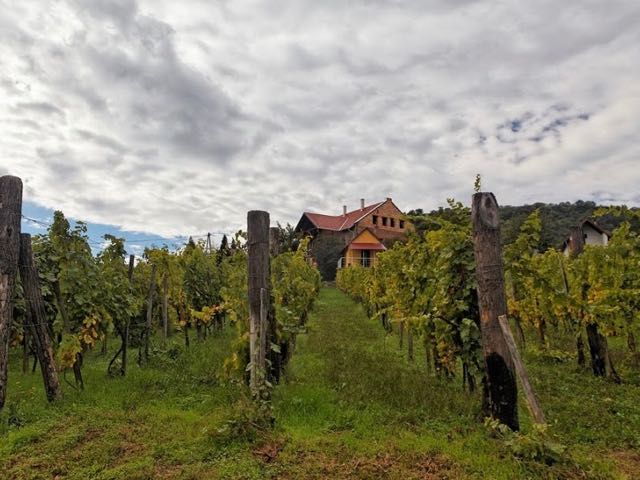
Apátsági Winery
The people
Upon our last visit we were fortunate enough to run into Zoltán Balogh from Apátsági Winery. Their estate and cellar were originally owned by the Benedictine Pannonhalma Archabbey. After WWII, the land was expropriated and redistributed during Communism. It was brought back to life and replanted in 2001 with 5 people including the grandson of the last winemaker before the war. Zoltán’s grandparents were also local winemakers on the hill.
The Vineyards
Vineyards
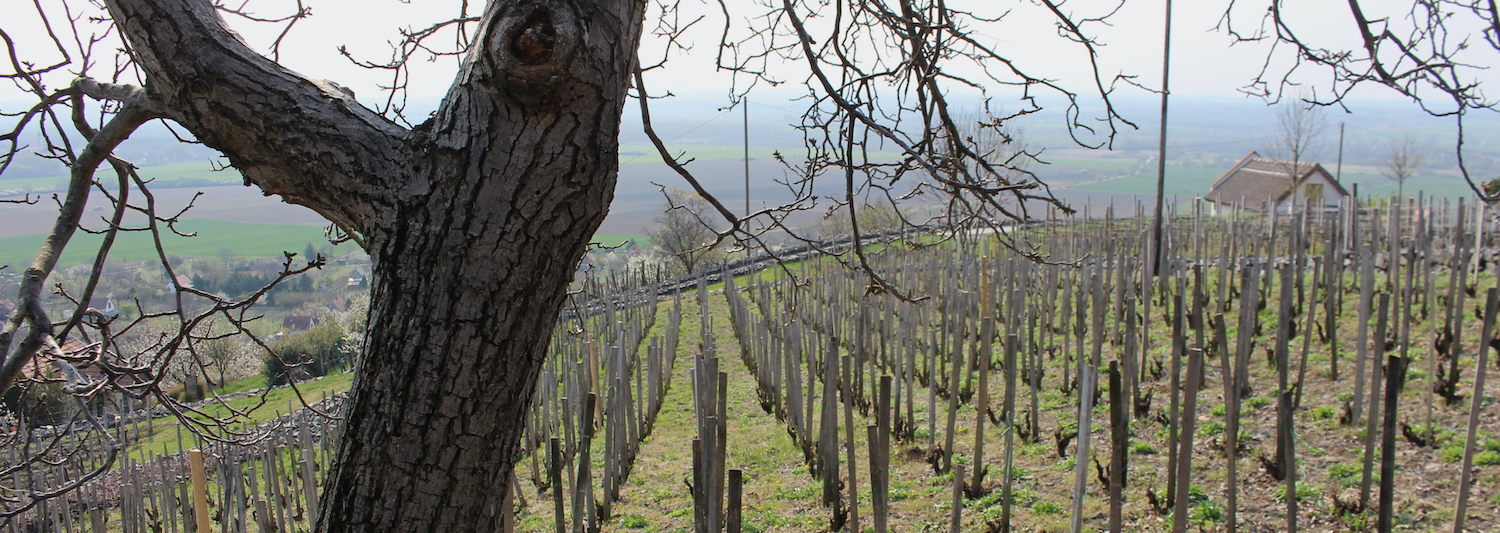
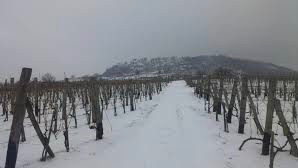
While the top of Somló hill is around 431 meters above sea level, Apátsági’s vineyards grow between 220-260 meters. While most of what they grow are stake trained (typical of Somló), the Hárslevelű is low cordon trained. Everything is dry farmed without herbicides or pesticides. All of the vineyards are on Southeast slopes planted in a mixture of clay, sand and the ubiquitous basalt. With 3 hectares total, the breakdown is 27% Furmint, 25% Juhfark, 25% Hárslevelű, 10% Olaszrizling, and 3% Traminer.
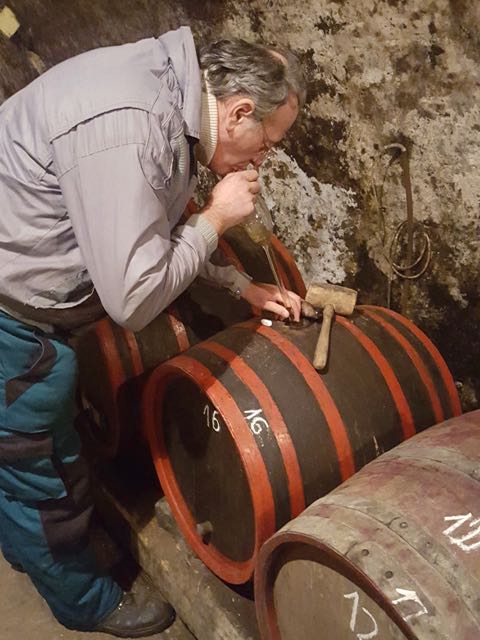
Winemaker Tibor Fazekas
Winemaking
The red line that runs through all of their wines is picking for extreme ripeness, or what many in other regions would even call late harvest. If not for the incredibly high natural acidity these wines would be overly sweet and flabby. Grapes are hand picked and then spontaneously fermented in 600-2000 liter oak barrels. Wines are then aged in the same vessels for at least a year and then bottled unfiltered. SO2 only at bottling.
White Wine
Furmint;
14.4%
6.5 g/l
6.2 g/l
Furmint;
14.4%
6.5 g/l
6.2 g/l
Zoltán picks later than anyone else we work with on the hill. The sweet/salty acidity they are able to keep in balance is astonishing. These are big wines from the hill. Ripeness is pushed almost to late harvest levels, botrytis is welcome, 1 night of maceration, and long elevage in 600-2000L Hungarian oak barrels helps slowly ferment these wines to something special. The 2022 Furmint has red wine structure backed up by Riesling levels of acidity and just enough residual sugar to tie the whole thing up in a neat little bow. Golden from aging and oxygen bonding with the botrytis, there’s the characteristic high acidity from Furmint along with firm skin tannins.

White Wine
Hárslevelű;
13.3%
9.7 g/l
6.2 g/l
Hárslevelű;
13.3%
9.7 g/l
6.2 g/l
For Apátsági, Hárslevelű exemplifies what Zoltán admires about the appellation as a whole, “When you have Somló acid, why not find balance with sugar?” In fact, Somló wines were historically suited for export due to this high acidity. Prior to WWII, there were laws stating that the wines also had to be in barrel for 5 years before sale making them even more stable (and softening said acids). Somló wines were even sent to the 13 Colonies without being fortified. They are oily, concentrated, bright, and powerful without losing refreshing fruitiness. A very alive wine with nearly 10 g/l RS that can only come from Somló.
White Wine
Juhfark;
14.3%
4.7 g/l
5.4 g/l
Juhfark;
14.3%
4.7 g/l
5.4 g/l
Much like Zoltán Balogh, Juhfark isn’t lacking in character. It often has this lanolin quality befitting of its translation to “sheep’s tail.” It’s like holding up a mirror to the hard mineral water coursing through the center of the basalt soils. Even though the maceration is usually just 24 hours, the desiccation of the skins due to the botrytis makes the skin to juice ratio intense in a non skin contact kind of way. Aged exclusively in the larger 1000-2000L oak barrels, this cool climate volcanic wine in a nutshell. The last time we had dinner with the family they roasted quince in duck topped with duck confit and the wines made the whole thing feel refreshing. Throw pungent and sophisticated food at this and enjoy.
White Wine
Traminer;
15%
6.2 g/l
5.7 g/l
Traminer;
15%
6.2 g/l
5.7 g/l
This is a rarity from the estate. Usually only a few hundred bottles per vintage. We are lucky enough to have a limited number. This is not exhibiting high “typicity” for Alsace or Alto Adige. This is picked super ripe, no temperature control, no extended maceration, and no halting of ML. The fresh pressed juice looks and tastes like ruby grapefruit. The aromatics are there, but buttressed by intense weight, structure and spice. This is like a volcanic Grosses Gewächs.